Therapy Intake Form Template
A therapy intake form is a form that collects a new client's contact details, reasons for seeking support, current symptoms, past mental health treatment, safety concerns and goals so a therapist can prepare for the first session and confirm the client is a good fit. This template uses plain, non-judgmental wording, keeps sensitive questions optional where it can, and ends with an informed consent statement covering confidentiality and its limits.
- 20 questions
- 4 pages
- ~5 min
- To fill in
- Classic layout
- Mobile-ready
- Free
- No credit card
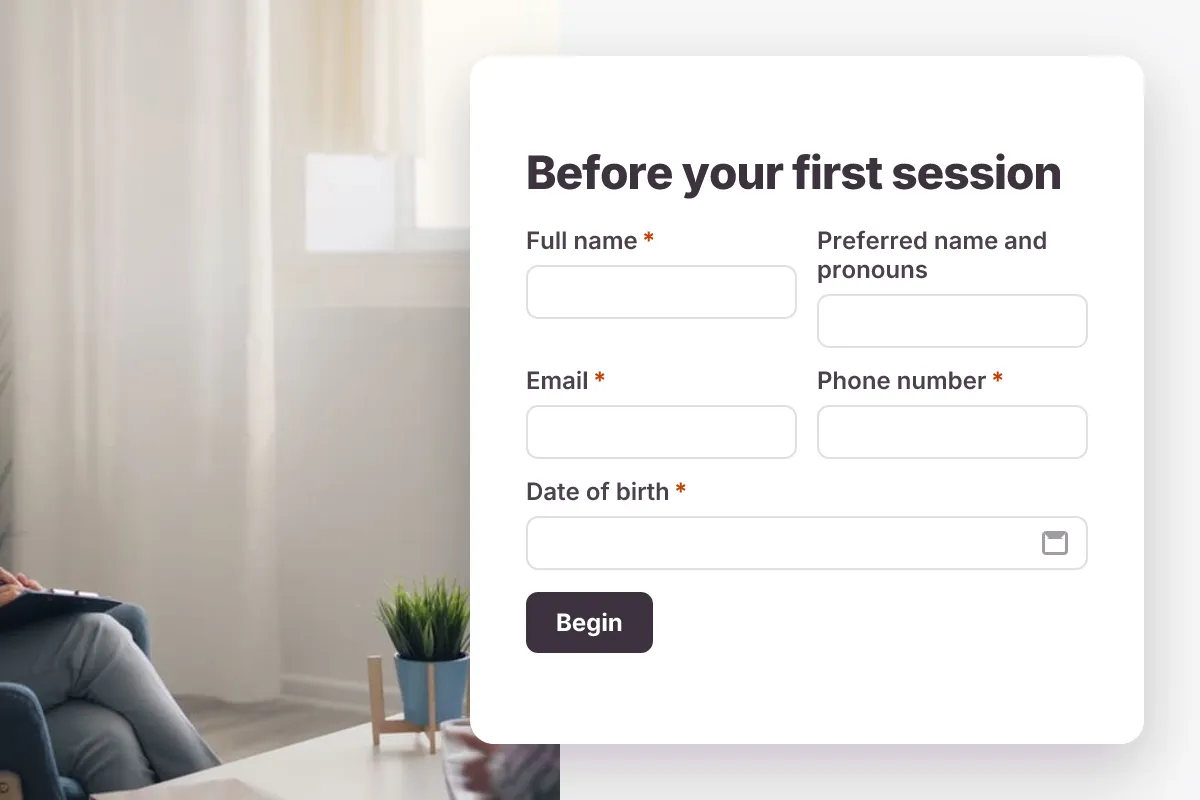
Live preview · nothing you type is sent
Photo by Vitaly Gariev on Pexels
Who it's for
Licensed therapists, counselors, psychologists, social workers in private practice, group practices and campus or employee counseling services.
- Sending paperwork to a new client after the free consultation call
- Screening referrals for a group practice before matching to a clinician
- Intake for telehealth clients who never visit the office
- University counseling centers handling student sign-ups at the start of term
What this template asks
Every question can be changed, removed or reordered once it's yours.
About you
Full name*
Short text
Preferred name and pronouns
Short text
Optional
Email*
Email
Phone number*
Phone number
Date of birth*
Date
Is it OK to leave a voicemail at this number?*
Multiple choice
- Yes
- No, please text or email instead
Emergency contact name*
Short text
Emergency contact phone*
Phone number
What brings you here
In your own words, what made you look for therapy now?*
Long text
Which of these have you noticed in the past month?
Checkboxes
- Low mood or sadness
- Worry or anxiety
- Panic attacks
- Trouble sleeping
- Changes in appetite
- Anger or irritability
- Grief or loss
- Relationship problems
- Stress at work or school
- Trauma memories
- Other
How much are these affecting your daily life?*
Multiple choice
- A little
- Somewhat
- A lot
- Severely
Have you seen a therapist, counselor or psychiatrist before?*
Multiple choice
- Yes, currently
- Yes, in the past
- No, this is my first time
Current medications for mental or physical health
Long text
Optional
Safety and wellbeing
In the past two weeks, have you had thoughts of harming yourself or ending your life?*
Multiple choice
- No
- Yes, in passing
- Yes, often
- Prefer to discuss in session
How often do you drink alcohol or use recreational drugs?*
Multiple choice
- Never
- Monthly or less
- Weekly
- Several times a week
- Daily
- Prefer not to say
What would you like to be different after therapy?
Long text
Optional
Preferences and consent
How would you like to meet?*
Multiple choice
- In person
- Video
- Phone
- No preference
When are you usually free?*
Checkboxes
- Weekday mornings
- Weekday afternoons
- Weekday evenings
- Weekends
Informed consent*
Checkboxes
- I have read and understand the confidentiality statement and agree to begin therapy
Type your full name to confirm*
Short text
Tips for more responses
- 1
Require sign-in and one response per person so each client completes intake once and can save and come back later.
- 2
Turn on email notifications so you see answers to the safety questions as soon as a form arrives, not on the day of the session.
- 3
Use a PDF template to turn each completed intake into a tidy file for the client's record.
Questions
What should a therapy intake form include?
Contact and emergency contact details, the main reason the client is seeking therapy, current symptoms and how long they have lasted, past therapy or psychiatric treatment, current medications, a safety question about thoughts of self-harm, substance use, goals for therapy, session preferences, and informed consent covering confidentiality and its limits.
Should I ask about suicidal thoughts on an intake form?
Many clinicians include a short safety question so they can follow up at the first session, but a form is not a crisis service. Tell clients clearly who to contact in an emergency, and review safety answers promptly; this template includes that wording.
Is an online therapy intake form private?
Responses are kept in your private account and are not shown publicly. Rules for mental health records vary by country and state, so check your local health-privacy and licensing requirements before you collect client information online.
How long should a therapy intake form be?
Long enough to prepare for the first session, short enough to finish in about 10 to 15 minutes. Leave detailed history for the session itself and mark deeper questions as optional.
Is this therapy intake template free?
Yes. Copy it into a free Dculus Forms account, change anything you like and start collecting responses. No credit card is needed.
Can I change the questions?
Yes. Your copy opens in the form builder, where you can add, remove and reorder questions, change the layout and add your own branding.
Where do the responses go?
Responses arrive in your Dculus Forms workspace. You can export them to Excel or CSV, send them to Google Sheets or a webhook, and get email notifications.
Can I host it myself?
Yes. Dculus Forms is open source (GPLv3), so you can run it on your own servers and keep every response in your own database.
Similar templates
All templates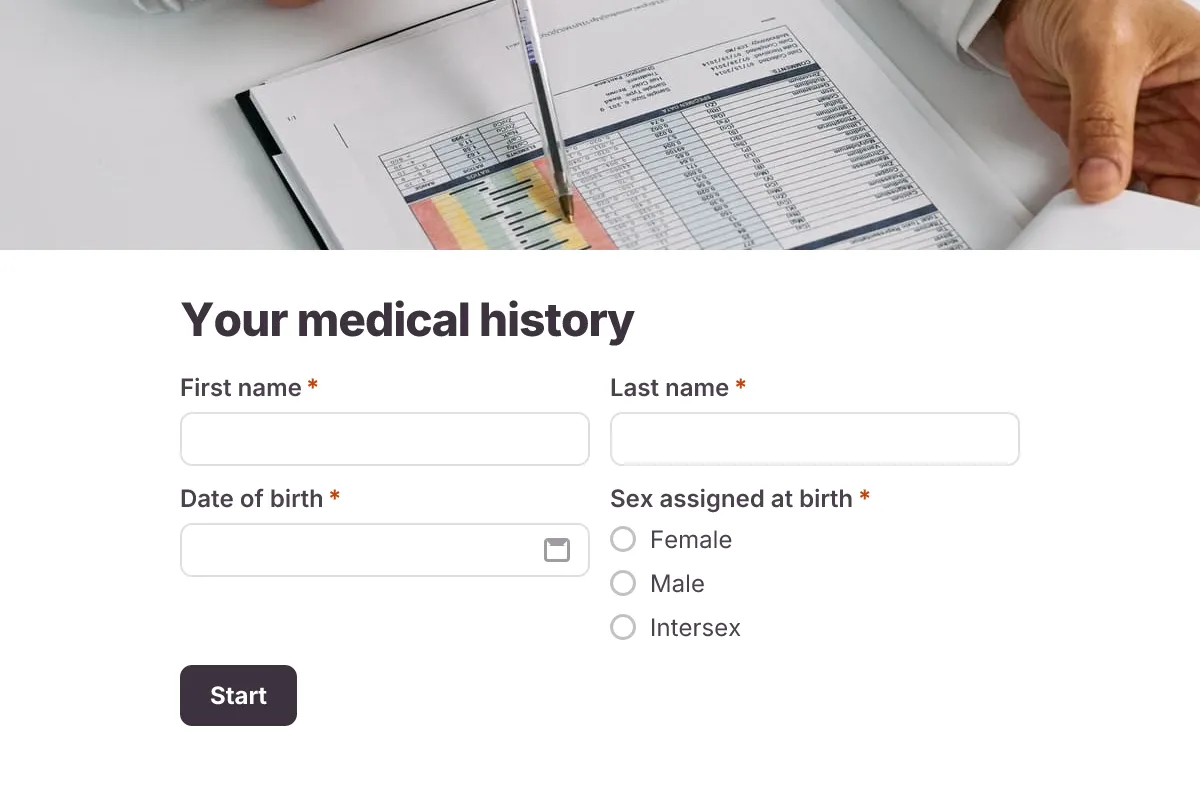
Medical History
Collect a patient's past conditions, surgeries, current medications, allergies, family history and lifestyle before their visit.
- Intake
- Multi-page
- Consent
Healthcare · 20 questions · 6 min
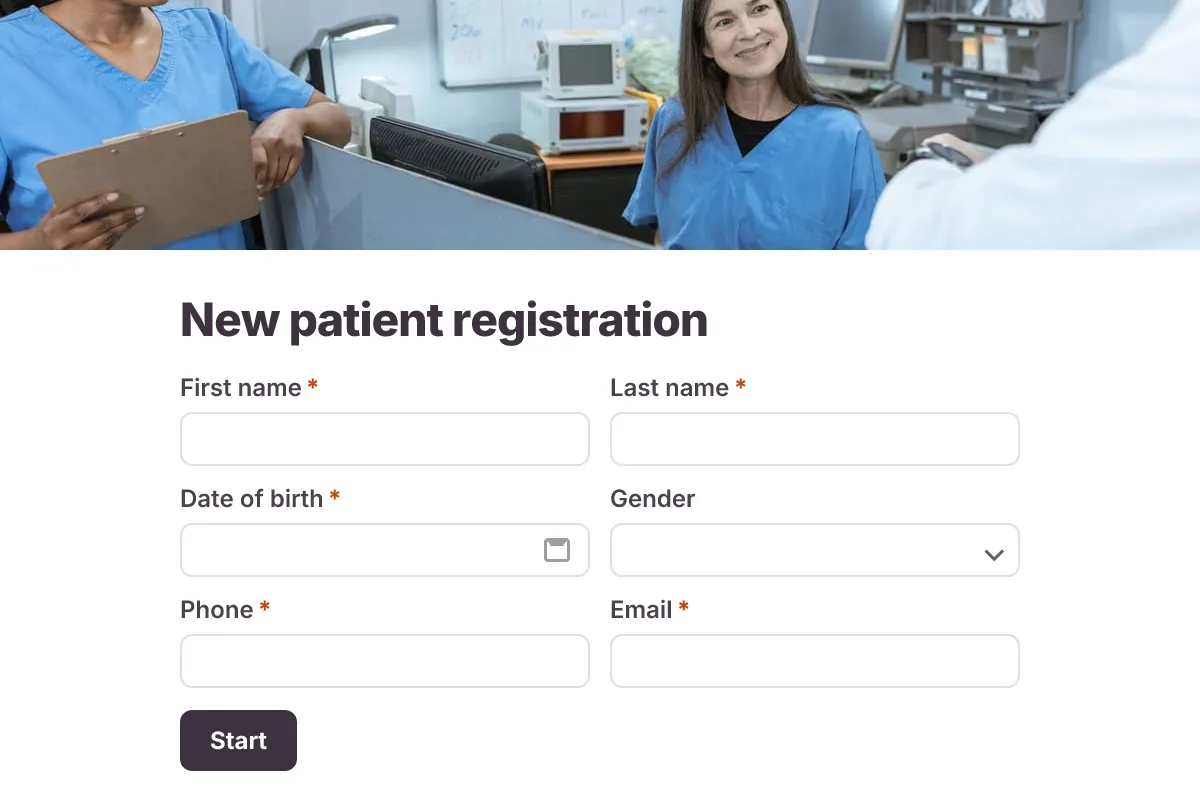
Patient Intake Form
A new-patient form covering contact details, insurance, medical history, medications and consent.
- Clinic
- Intake
- Multi-page
Healthcare · 18 questions · 6 min
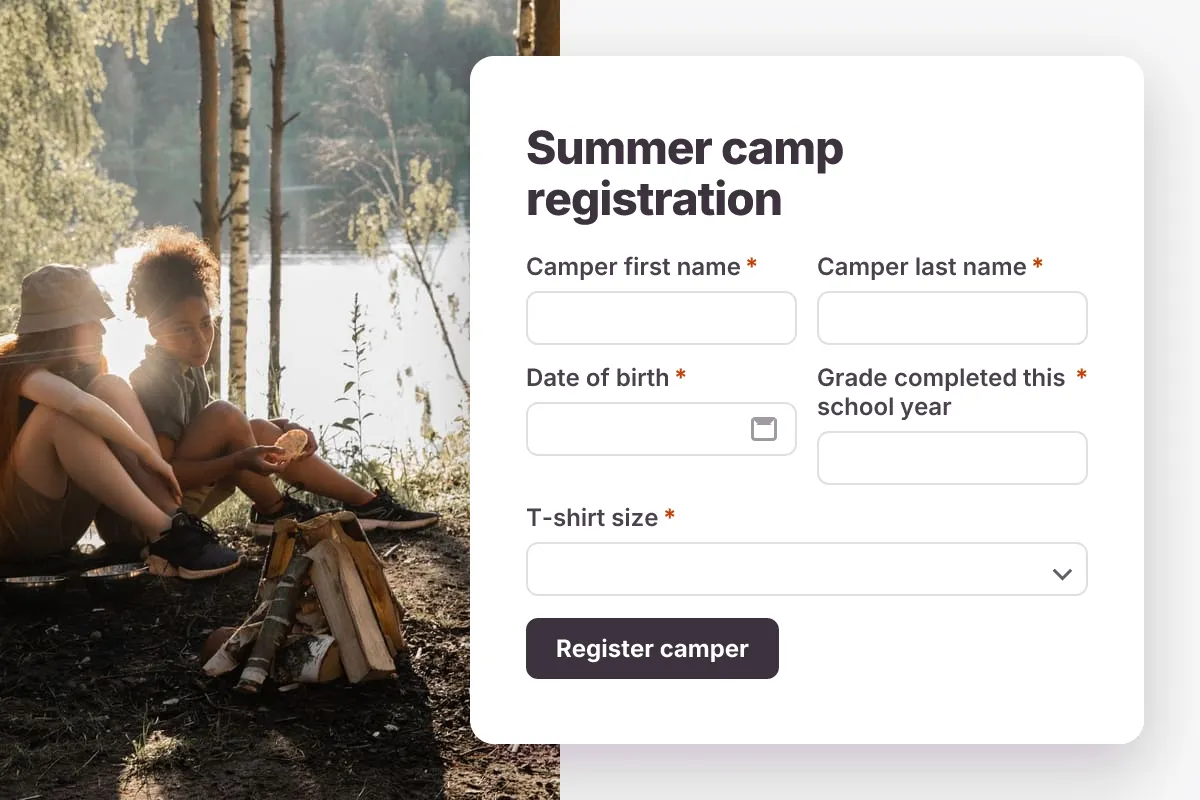
Summer Camp Registration
Register campers for summer camp: camper details, weeks, day type, pickup authorization, allergies, medication and parent consent.
- Registration
- Consent
- Multi-page
Education · 24 questions · 7 min